
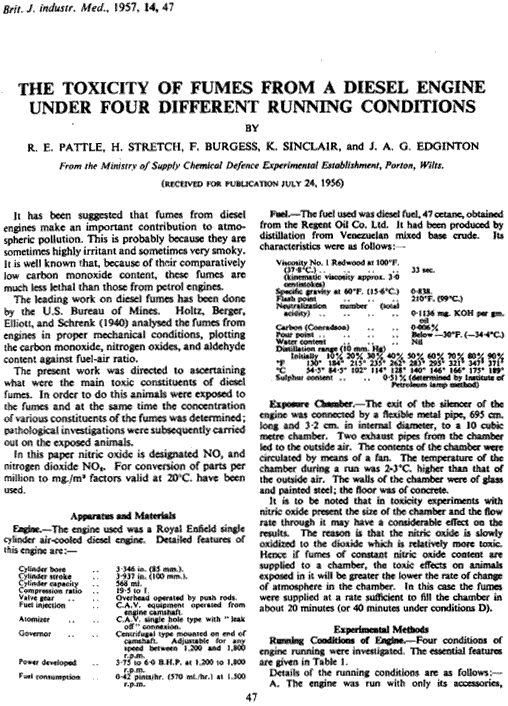
It has been suggested that fumes from diesel engines make an important contribution to atmospheric pollution. This is probably because they are sometimes highly irritant and sometimes very smoky. It is well known that, because of their comparatively low carbon monoxide content, these fumes are much less lethal than those from petrol engines.
Summary
Experiments have been carried out to ascertain what are the main toxic constituents of diesel fumes.
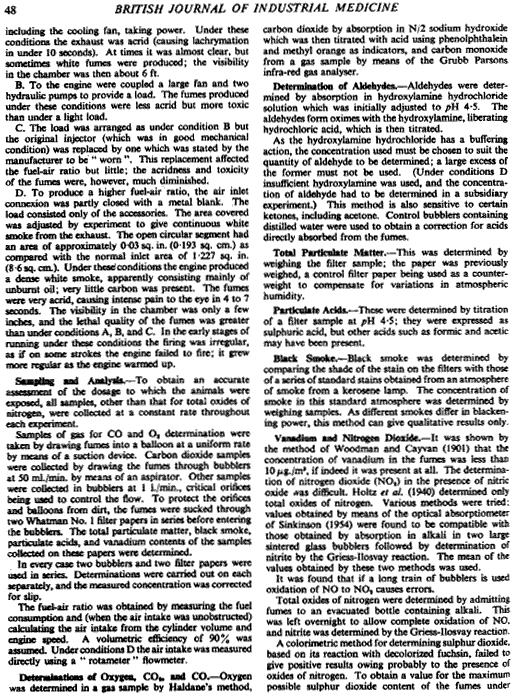
A single cylinder diesel engine was run under four different conditions: light load, moderate load, moderate load with a worn injector, and light load with the air intake restricted.
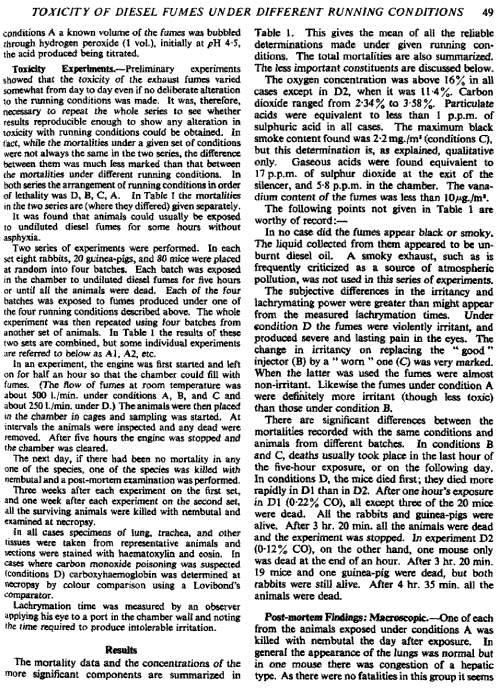
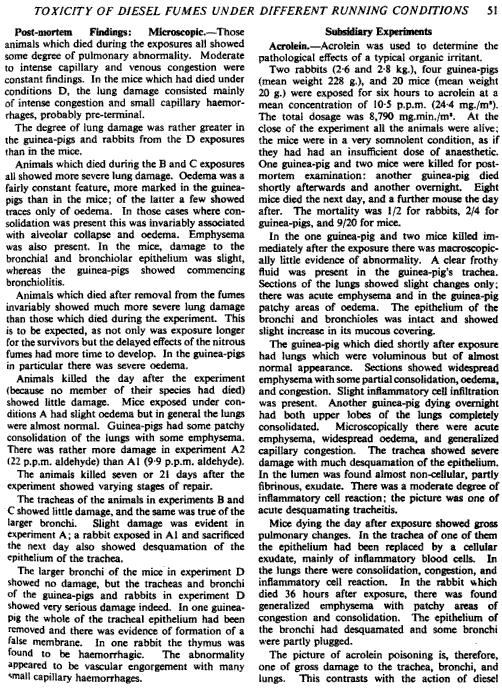
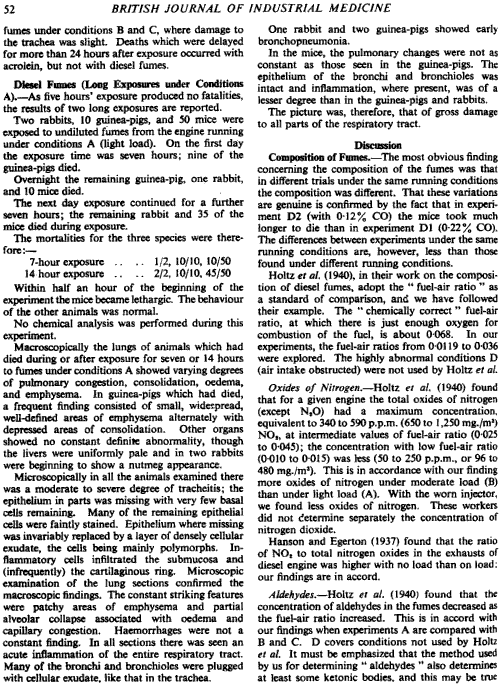
Mice, guinea-pigs. and rabbits were exposed to the undiluted fumes and at the same time determinations of a number of constituents of the fumes were carried out. Pathological investigations were carried out on the exposed animals. Animals were also exposed to acrolein vapour to assess its toxicity and mode of action.
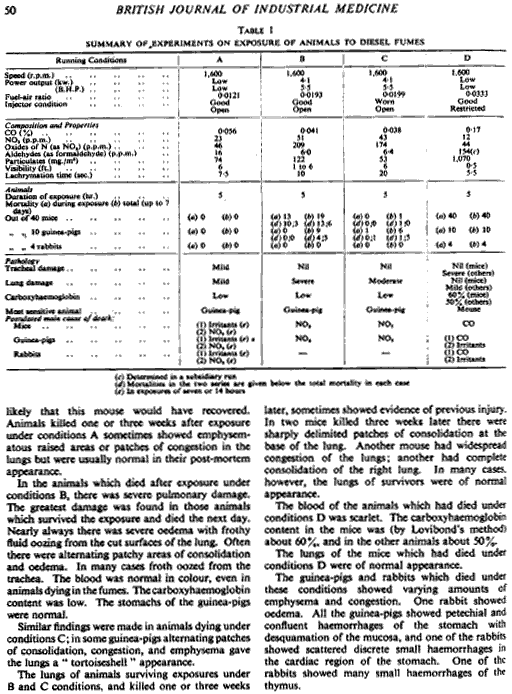
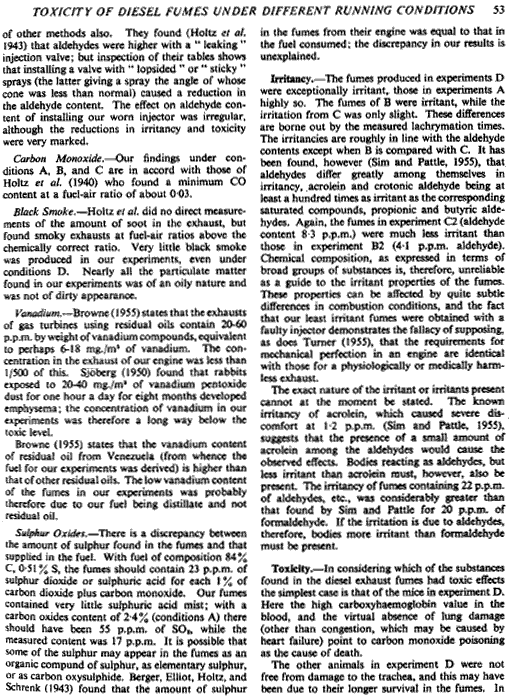
The results of the analysis of the fumes were in broad agreement with those of other workers, except in regard to the sulphur oxides content; the latter was unexpectedly low.
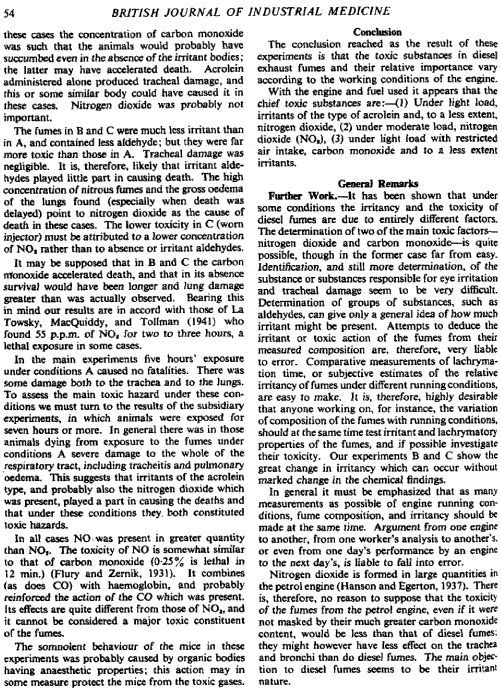
Under light load the engine produced highly acrid fumes. Five hours’ exposure caused no deaths, but seven hours’ exposure did so. It is concluded that organic irritants (possibly aldehydes) and also nitrogen dioxide were the main toxic constituents.
Under moderate load, the engine produced fumes which were less acrid but more lethal, a high proportion of the animals dying during or shortly after exposure. Nitrogen dioxide is considered to have been the main toxic agent.
Replacement of a sound injector by one said to be “worn” made the fumes much less acrid and also less lethal. The lower toxicity is considered to be due to a lower nitrogen dioxide content.
When the air intake of the engine was restricted, very acrid fumes with much oily particulate matter were produced. This fume was lethal to all animals exposed for five hours. Carbon monoxide was the chief toxic constituent.
Under the running conditions used very little black smoke was present in the exhaust.
The procedure to be followed in future research is discussed.
Source: R. E. PATTLE, H. STRETCH, F. BURGESS, K. SINCLAIR, and J. A. G. EDGINTON, “THE TOXICITY OF FUMES FROM A DIESEL ENGINE UNDER FOUR DIFFERENT RUNNING CONDITIONS,” British Journal of Industrial Medicine.